

Spoiler: yes. But not all honey is created equal, and how you use it matters more than most people think.
Honey has been used on skin for thousands of years. Cleopatra bathed in it. Ancient Greeks used it on burns. And while I’m not suggesting you fill a bathtub, putting a thin layer on your face a few times a week is genuinely worth trying.
What Honey Actually Does to Your Skin
The reason honey works isn’t just folklore. It contains proteins, amino acids, vitamins, enzymes, and minerals that make it genuinely useful in cosmetic formulations – acting as an emollient, humectant, and soothing agent. In plain terms: it pulls moisture into your skin, calms irritation, and helps keep bacteria at bay.
For anyone dealing with breakouts, that last part is particularly useful. Raw honey won’t clog pores, and its natural antibacterial properties help reduce acne-causing bacteria – something backed up by a review published on PubMed looking at honey’s role in dermatology and skin care.
It also does something most people don’t expect: gentle exfoliation. The natural enzymes in honey help break down dead skin cells without any scrubbing, which is why your face tends to feel noticeably softer after even one use.
Raw Honey vs. the Stuff in Your Cupboard
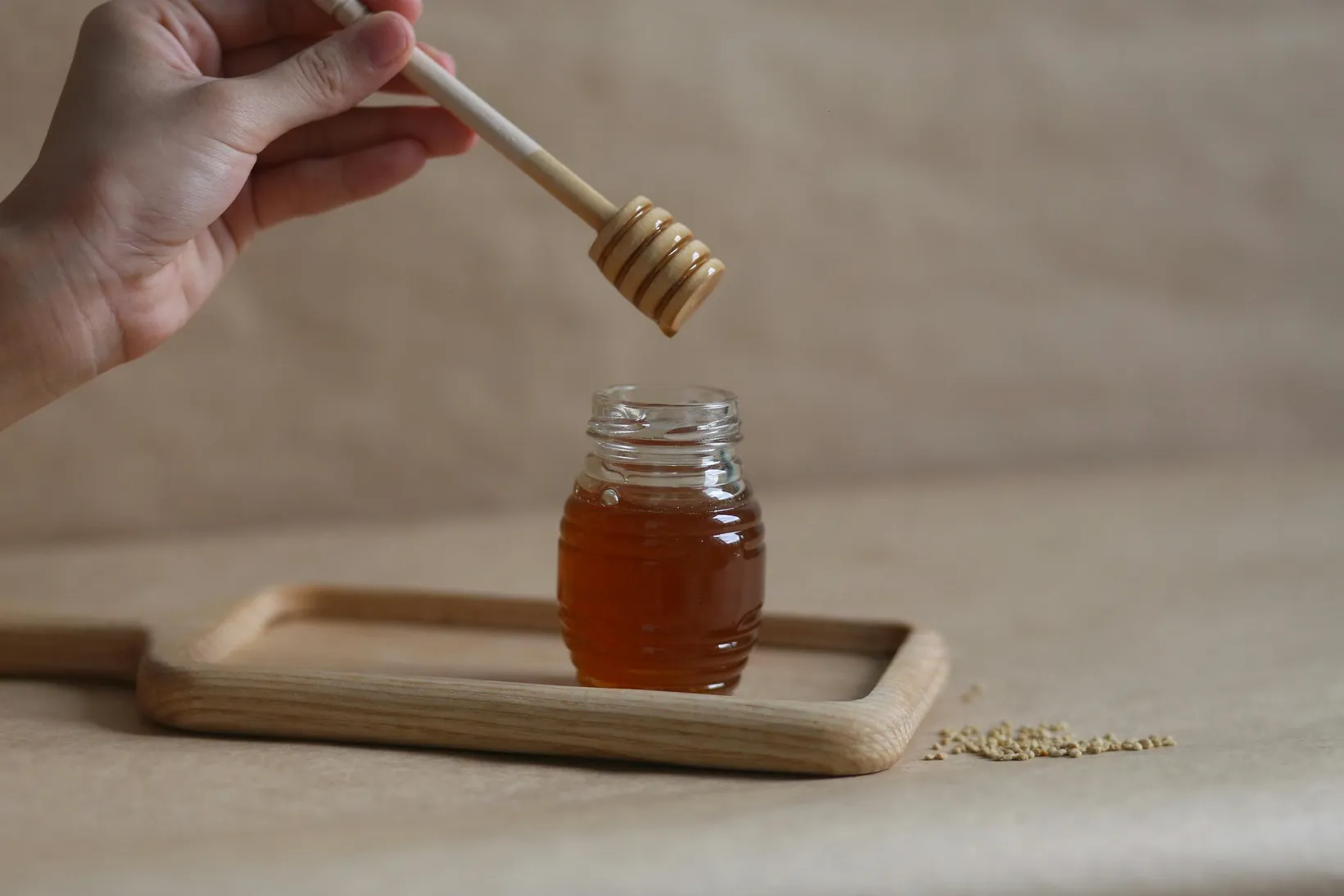
This part matters. As a general rule, the darker the honey, the more antioxidants it contains. For the best results on your skin, raw, unpasteurised honey is the way to go – it retains all the beneficial properties that processing tends to destroy.
That golden, ultra-clear honey you’ve had in the pantry for two years? Probably not your best bet for a face mask. Look for raw honey at a health food store or farmers market. It doesn’t have to be expensive.
How to Actually Use It
Keep it simple. Apply a thin layer to clean, slightly damp skin, leave it on for 15-20 minutes, then rinse with warm water. You can also mix it with other beneficial ingredients like cinnamon, lemon, turmeric, or aloe vera if you want to target something specific – but plain honey on its own does plenty.
Do it two or three times a week. And always patch test first, especially if you have sensitive skin or any pollen allergies.
