

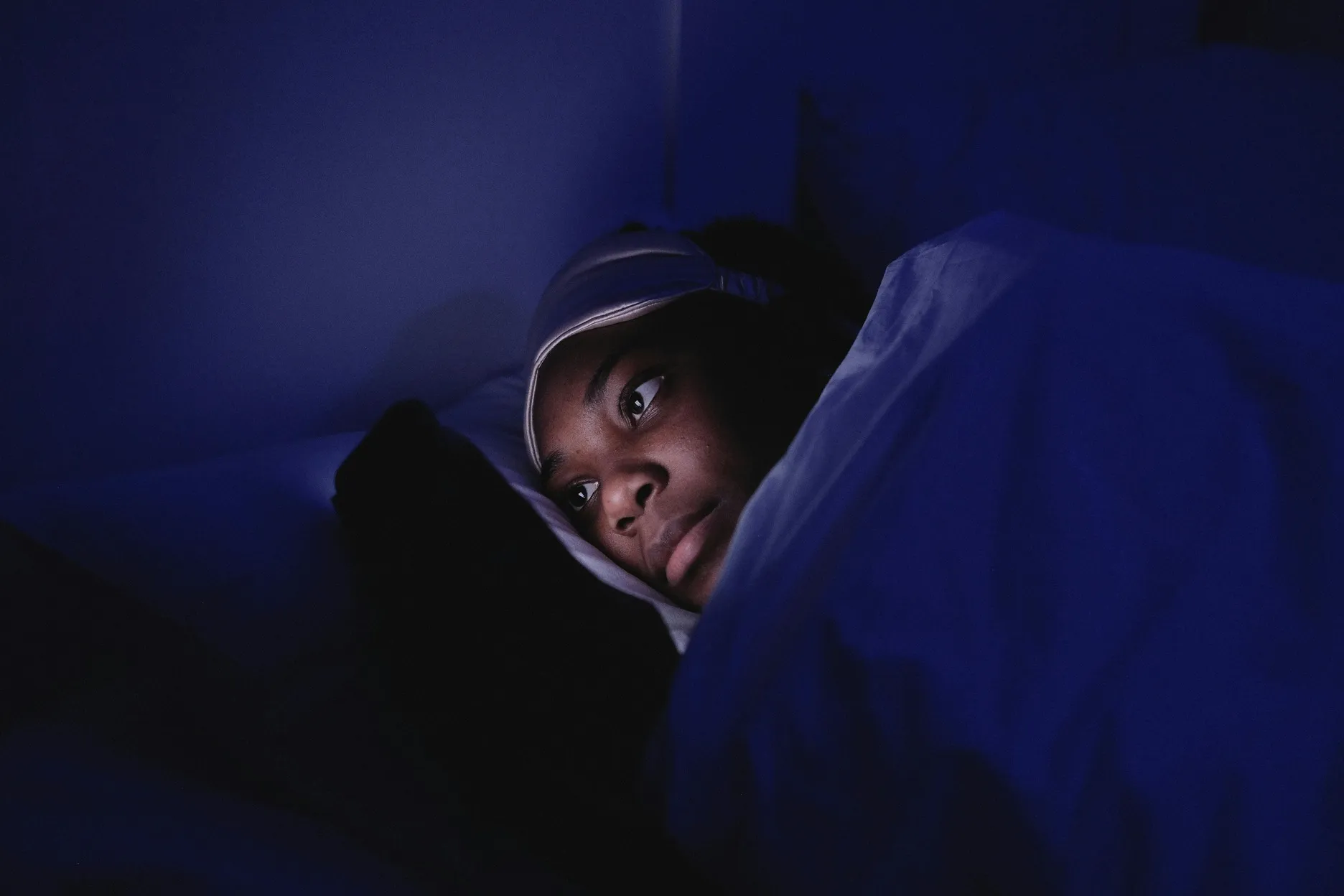
Staring at the ceiling at 2am is one of those experiences that somehow makes every minor worry feel enormous. The to-do list you forgot about. The email you should have sent differently. That thing you said six years ago at a party.
If you’ve been lying there waiting for sleep to come back, here’s what actually helps – and what quietly makes things worse.
Get Out of Bed
This one feels counterintuitive but it’s one of the most consistently recommended things you can do. If you don’t fall asleep within about 20 minutes, leave your bedroom and do something relaxing – read, or listen to soothing music – then go back to bed when you feel tired again.
The logic is simple: lying in bed wide awake starts to teach your brain that the bed is a place of frustration, not rest. Breaking that association is worth the effort of getting up.
Put Your Phone Face Down
Not just on silent. Face down, or better yet, across the room. Blue light from screens blocks melatonin – the hormone that makes you sleepy – and more than any other colour, it disrupts your body’s ability to prepare for sleep.
Scrolling to “wind down” is one of the most common sleep mistakes people make. It feels relaxing in the moment. It isn’t.
Try Progressive Muscle Relaxation
This sounds clinical but it’s genuinely effective and requires nothing except your own body. Work through different muscle groups – arms, legs, torso, face – tensing each one at roughly three-quarter strength for about five seconds, then releasing the tension all at once. Move slowly from your feet upward.
It works because it gives your brain something to focus on other than whatever it was catastrophising about, and the physical release of tension makes it easier for your body to settle.
Do Some Deep Belly Breathing
Slow, deliberate breathing is one of the fastest ways to bring your nervous system down a level. Place one hand on your stomach and the other on your chest. Inhale slowly into your belly – the hand on your stomach should rise while the one on your chest stays still. Exhale gently, letting the hand fall.Repeat until it starts to feel automatic.
It’s a small thing, but the Sleep Foundation’s guidance on evidence-backed sleep techniques consistently puts breathing exercises near the top of the list for a reason.
Stop Checking the Clock
This one is harder than it sounds. Turn your alarm clock to face the wall and resist checking the time on your phone. Watching the minutes tick by while you’re not sleeping is one of the most reliable ways to make anxiety worse – you end up doing mental maths about how many hours of sleep you’ll get, which is the opposite of relaxing.
The Next Morning: Don’t Compensate
After a bad night, the temptation is to sleep in, nap, or go to bed earlier the next evening. Sleep experts recommend against all three – get up at your usual time and go to bed at your normal bedtime, even if you’re tired. It feels rough, but it rebuilds your body’s appetite for sleep and usually results in a better night straight after.
Mayo Clinic’s sleep guidance echoes this consistently: the wake-up time is the anchor, not the bedtime.
One bad night doesn’t mean you have a sleep problem. Most of the time, it means you’re human. Try one or two of these the next time you’re lying awake – you don’t need all of them at once.
